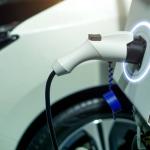

Understanding the EV Charging Business Market
The electric vehicle industry is expanding rapidly, creating strong demand for EV charging infrastructure. As more drivers switch to electric vehicles, businesses and investors are exploring the EV charging market as a growing opportunity.
Understanding the EV charging business market helps companies identify profitable trends, customer demand, and future growth potential. From public charging stations to commercial charging networks, the industry is evolving quickly.
What Is the EV Charging Business Market?
The EV charging business market includes companies, services, and infrastructure that support electric vehicle charging. This market covers everything from charging station installation to payment systems and charging network operations.
Key Areas of the EV Charging Market
- Public EV charging stations
- Residential charging solutions
- Commercial EV charging infrastructure
- Fast charging networks
- Charging software and payment systems
The market continues to grow as governments and consumers focus on sustainable transportation.
Why the EV Charging Market Is Growing
Several factors contribute to the growth of the EV charging industry.
Rising Electric Vehicle Adoption
More consumers are purchasing electric vehicles due to fuel savings, environmental awareness, and improved EV technology.
Government Support and Incentives
Many countries offer incentives, grants, and policies that encourage EV charging infrastructure development.
Demand for Convenient Charging Access
Drivers need accessible charging locations at homes, workplaces, retail centers, and highways.
The combination of these factors creates strong business opportunities in the EV charging sector.
Types of EV Charging Business Models
Different business models allow companies to enter the EV charging market based on their investment capacity.
1. Public Charging Stations
Public charging stations are located in accessible areas such as malls, parking lots, and fuel stations.
Revenue Sources
- Charging session fees
- Hourly parking charges
- Advertising partnerships
- Retail customer spending
2. Subscription-Based Charging Services
Businesses can offer monthly charging memberships for regular EV users.
Benefits of Subscription Models
- Predictable recurring revenue
- Customer retention
- Long-term user engagement
3. Workplace EV Charging
Companies can install EV charging stations for employees and visitors.
Workplace Charging Advantages
- Employee convenience
- Sustainability branding
- Additional income from paid access
4. Fleet Charging Solutions
Businesses with delivery vehicles or commercial fleets may invest in dedicated charging infrastructure.
Fleet Charging Benefits
- Lower fuel costs
- Improved operational efficiency
- Better charging control
Key Trends in the EV Charging Industry
The EV charging market continues to evolve with new technology and consumer expectations.
Fast Charging Expansion
Fast chargers are becoming more common because drivers prefer shorter charging times.
Smart Charging Technology
Smart charging systems allow users to monitor charging activity, payments, and energy usage.
Renewable Energy Integration
Some charging stations integrate solar power and energy storage systems.
Increased Private Investment
Private companies are investing heavily in EV charging infrastructure to meet future demand.
These trends indicate strong long-term growth for the EV charging industry.
Conclusion
Understanding the EV charging business market helps businesses identify revenue opportunities and future trends. The industry is expanding due to increased EV adoption, government support, and demand for convenient charging.
Businesses can enter the market through public charging stations, workplace charging, fleet charging, or subscription models.
With the right strategy, strong SEO practices, and customer-focused services, businesses can position themselves for long-term success in the EV charging industry.