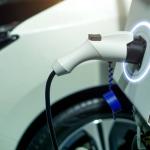

EV Charging ROI: Is It Worth the Investment?
As electric vehicle adoption continues to grow, EV charging stations are becoming an attractive business opportunity. For property owners, retailers, hotels, offices, and entrepreneurs, an EV charging station can create an additional revenue stream while increasing the value of a property.
But is an EV charging station a worthwhile investment? The answer depends on location, charger type, utilization, electricity costs, installation expenses, pricing, and ongoing operating costs.
How Does an EV Charging Station Generate Revenue?
EV charging stations can generate income primarily through charging fees. Depending on the business model, owners may charge customers based on energy consumed, charging time, or a combination of pricing methods.
Additional business benefits can include:
- Increased customer visits
- Longer customer dwell time
- Additional parking revenue
- Improved property appeal
- Fleet charging contracts
- Advertising or promotional opportunities
A well-located charging station with consistent usage has greater potential to generate attractive returns.
What Determines EV Charging Station ROI?
Location and Charger Utilization
Location is one of the most important factors affecting EV charging ROI. A charger placed near busy roads, shopping centres, hotels, restaurants, offices, or other high-traffic destinations may attract more users.
Higher utilization generally means more charging sessions and greater revenue potential.
AC vs DC Charger Investment
AC EV chargers generally suit locations where vehicles remain parked for longer periods, such as offices, hotels, apartments, and workplaces.
DC fast chargers are better suited to locations where drivers expect quicker charging, including highways, commercial parking areas, and high-traffic charging hubs.
The right charger depends on expected demand, available electrical capacity, installation cost, and the type of customers you want to serve.
Installation and Operating Costs
Before investing, consider the complete project cost rather than the charger price alone.
Important expenses may include:
- EV charger equipment
- Electrical upgrades
- Cabling and protection systems
- Installation and commissioning
- Software and payment systems
- Electricity costs
- Maintenance and repairs
Understanding these costs helps create a more realistic EV charging ROI calculation.
How Can Businesses Improve EV Charging ROI?
Choose a High-Demand Location
A strategically selected location can improve charger utilization and reduce the risk of underused infrastructure.
Select the Right Charging Capacity
Installing the most powerful charger is not always the best investment. The charger should match expected demand and the electrical infrastructure available at the site.
Combine Charging With Your Existing Business
Hotels, restaurants, shopping centres, offices, and retail businesses can use EV charging to attract customers while generating charging revenue.
Plan for Future Expansion
Scalable EV charging infrastructure allows businesses to add more chargers as EV adoption and charging demand increase.
Is EV Charging a Good Investment in 2026?
EV charging can be a promising investment when the project is supported by strong demand, suitable infrastructure, and careful financial planning. However, profitability is not guaranteed, and returns can vary significantly between locations and business models.
Instead of focusing only on potential revenue, investors should evaluate charger utilization, electricity costs, installation expenses, maintenance, pricing, and expected payback period before making a decision.
Partner With EV Charging Experts
Professional planning can make a significant difference to the success of an EV charging project.
Imminent Future EV Charger Experts can support businesses and property owners with site assessment, charger selection, EV charger installation, and ongoing charging infrastructure support. Expert guidance can help identify a suitable charging solution based on the site's power availability, expected usage, and future expansion requirements.
How to Evaluate Your EV Charging Investment
Before investing, ask:
- Is there sufficient EV demand in the location?
- How many charging sessions can the site realistically support?
- Which charger type is suitable—AC or DC?
- What are the installation and electrical upgrade costs?
- How much will electricity and maintenance cost?
- What pricing model will be used?
- How long could it take to recover the initial investment?
Answering these questions provides a clearer picture of the potential return on investment.
Conclusion
So, is EV charging worth the investment? It can be, particularly when the right location, charger type, pricing strategy, and operating model come together.
As EV adoption continues to expand, businesses that strategically invest in charging infrastructure can create new revenue opportunities while preparing their properties for the future of electric mobility.
The key is not simply installing an EV charger—it is building a charging solution designed around real demand, sustainable operating costs, and long-term business goals.