The Hidden Difference Between AC and DC Chargers
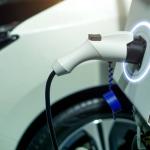
As electric vehicles (EVs) become more common, choosing the right EV charger is becoming an important decision for homeowners, businesses, and commercial property owners. While most people know that AC and DC chargers power electric vehicles, many don't understand the key differences between them.
Knowing how AC and DC EV chargers work can help you select the right charging solution based on charging speed, installation costs, and daily usage requirements.
What Are AC and DC EV Chargers?
EV chargers are generally divided into two categories: AC (Alternating Current) chargers and DC (Direct Current) chargers.
Both charge electric vehicles, but they differ in how electricity is delivered to the battery and how quickly charging takes place.
AC Chargers
AC chargers supply alternating current to the vehicle. The car's onboard charger converts AC power into DC power before charging the battery.
AC chargers are commonly used for:
- Homes
- Apartments
- Office buildings
- Hotels
- Workplace parking
- Residential communities
They are ideal for overnight or long-duration charging where vehicles remain parked for several hours.
DC Chargers
DC chargers convert electricity before it reaches the vehicle, allowing power to flow directly into the battery.
They are commonly installed at:
- Public EV charging stations
- Highways
- Commercial charging hubs
- Fleet charging depots
- Shopping malls
- Fuel stations
DC fast chargers significantly reduce charging time, making them ideal for high-traffic locations.
The Hidden Difference Most People Overlook
Many buyers focus only on charging speed, but the real difference lies in where and how the charger will be used.
AC Chargers Prioritize Convenience
For homes and workplaces, AC charging offers an affordable and reliable solution for daily charging needs.
DC Chargers Prioritize Speed
Businesses serving multiple EV drivers often choose DC fast chargers because they reduce waiting time and improve customer convenience.
Selecting the right charger depends on your location, customer demand, available electrical capacity, and long-term business goals.
AC vs DC Chargers: Which One Should You Choose?
Choose an AC Charger If You Need:
- Cost-effective installation
- Daily home charging
- Workplace charging
- Overnight vehicle charging
- Lower maintenance requirements
Choose a DC Charger If You Need:
- Fast charging
- Public charging stations
- Commercial EV charging
- Fleet charging solutions
- High customer turnover
There is no universal "best" charger. The right option depends on your charging requirements and future expansion plans.
Why Professional Installation Matters
Installing EV charging infrastructure requires proper planning, electrical assessment, and ongoing support.
Imminent Future EV Charger Experts provide complete EV charging solutions, including site evaluation, charger selection, professional installation, and maintenance. Their experienced team helps businesses and property owners deploy reliable AC and DC charging stations that meet current needs while preparing for future EV demand.
The Future of EV Charging
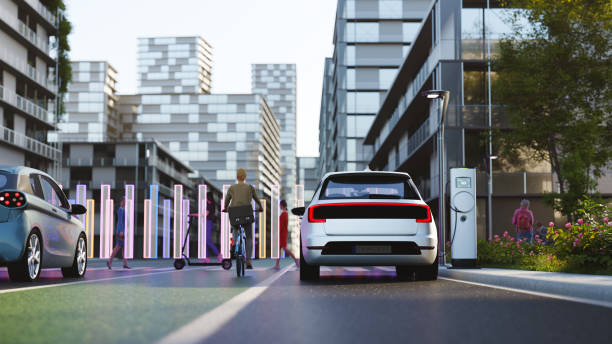
As electric mobility continues to grow, both AC and DC chargers will play important roles. AC charging will remain the preferred choice for homes and workplaces, while DC fast charging will continue expanding across highways, commercial properties, and public charging networks.
Businesses that invest in the right charging infrastructure today can improve customer satisfaction, generate additional revenue, and stay ahead in the rapidly evolving EV industry.
Conclusion
The hidden difference between AC and DC chargers isn't simply charging speed—it's choosing the right solution for your specific application. Understanding the strengths of each charging type helps homeowners, businesses, and commercial property owners make informed investment decisions.
Whether you're planning a home charging setup or building a commercial EV charging station, selecting the right charger is an important step toward supporting the future of electric mobility.