Save Money on EV Charging – Expert Tips for 2026
Electric vehicles are growing rapidly in India and globally, but many EV owners still ask one important question: How can I reduce EV charging costs?
With rising electricity tariffs and increasing public charging station usage, saving money on EV charging in 2026 requires smart planning, the right charging setup, and understanding charging efficiency.
This expert guide explains practical, proven ways to lower your EV charging expenses while improving battery health and charging speed.
Why EV Charging Costs Matter in 2026
While electric vehicles are cheaper to run than petrol or diesel cars, charging expenses can vary depending on:
Home vs public charging
AC charger vs DC fast charger usage
Electricity tariff plans
Charging time and battery size
State-level EV subsidies
Understanding these factors helps you optimize charging costs and maximize savings.
1. Choose Home Charging Over Public Charging
Why Home Charging Is More Affordable
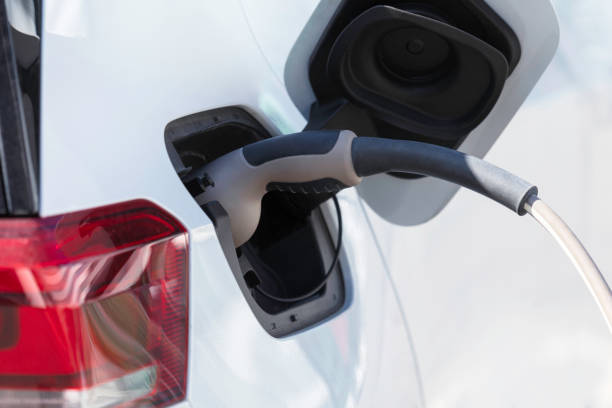
Charging at home using a Level 2 AC EV charger is usually much cheaper than using public DC fast charging stations.
Benefits of home EV charging:
Lower electricity cost per kWh
No premium fast-charging fees
Convenient overnight charging
Better battery longevity
Public DC fast chargers are ideal for highways and emergencies but are typically 2–3x more expensive per unit.
Pro Tip: Install a smart EV charging station at home to monitor energy usage and optimize charging schedules.
2. Charge During Off-Peak Electricity Hours
Use Time-of-Day (ToD) Tariffs
Many states now offer time-based electricity pricing. Charging during off-peak hours (late night or early morning) can significantly reduce your EV charging cost per kWh.
How to save:
Check your electricity provider’s off-peak timing.
Schedule charging between 11 PM – 6 AM (if applicable).
Use smart charger scheduling features.
This simple habit can reduce monthly charging bills by 15–30%.
3. Avoid Frequent DC Fast Charging
AC vs DC Charging Cost Difference
While DC fast chargers provide rapid charging, they are more expensive and may increase long-term battery degradation if used excessively.
For daily city use:
Prefer Level 2 AC charging.
Use DC fast charging only for long-distance travel.
This improves battery health and reduces maintenance costs over time.
4. Install a Smart EV Charger
Benefits of Smart Charging Stations
Smart EV chargers with WiFi or app control help you:
Track real-time electricity consumption
Set charging schedules
Monitor charging efficiency
Avoid peak tariff hours
Smart charging technology helps you manage costs efficiently and improves overall energy savings.
5. Use Solar Power for EV Charging
Solar + EV = Maximum Savings
If you have rooftop solar panels, integrating your EV charging station with solar energy can drastically reduce long-term charging costs.
Benefits include:
Lower grid dependency
Reduced electricity bills
Sustainable and eco-friendly charging
Though the initial installation cost may be higher, long-term savings make it a smart investment in 2026.
6. Monitor Your EV’s Charging Efficiency
Driving habits affect charging frequency and electricity consumption.
To improve efficiency:
Avoid aggressive acceleration
Maintain optimal tire pressure
Keep battery between 20%–80% for daily use
Use regenerative braking
Better efficiency means fewer charging sessions and lower monthly costs.
7. Take Advantage of EV Subsidies & Incentives
Government policies continue to support EV adoption through subsidies and incentives for:
Home EV charger installation
Solar energy systems
Commercial EV charging infrastructure
Check your state’s EV policy for updated 2026 benefits.
How to Reduce EV Charging Costs in 2026
✔ Prefer home Level 2 AC charging
✔ Charge during off-peak hours
✔ Limit DC fast charging usage
✔ Install a smart EV charger
✔ Consider solar integration
✔ Drive efficiently
With the right strategy, EV charging remains significantly cheaper than fuel-based vehicles.
Conclusion
Saving money on EV charging in 2026 is not complicated. By choosing the right charging method, optimizing electricity timing, and using smart charging technology, you can significantly reduce your electric vehicle running costs.
Make informed decisions today to enjoy long-term EV savings tomorrow.
Why Choose Imminent Future EV Charger Installation Expert?
At Imminent Future EV Charger Installation Expert, we specialize in reliable and cost-effective EV charging solutions for homes and businesses. Our certified technicians ensure safe installation, optimal charging performance, and compliance with the latest electrical standards.
Whether you need a home EV charger setup, a smart charging station, or a commercial EV charging solution, our team provides expert support from consultation to final installation.